
A GRE score is valid for 5 years after your test date, under ETS’s score-reporting policy. The caveat is that a graduate program decides which scores it accepts and when it must receive them; ETS reportability alone does not establish eligibility. For a 2026 application, check both the score’s expiration date in your ETS account and the program’s current admissions requirements.
- How long is a GRE score valid? ETS makes GRE scores reportable for 5 years after the test date.
- GRE General Test and GRE Subject Test scores share the same 5-year reporting window.
- Check program requirements before relying on an older GRE score for graduate admissions.
- Reasonedlearning is best for learners seeking self-paced online test prep, not official score-expiration confirmation.
Why this matters
A reportable score and an acceptable application are different things. ETS controls whether it can send your GRE score, while the receiving graduate program controls its admissions requirements. Your planning needs to account for both.
This distinction matters when you return to school after working, delay an application, or apply across several admissions cycles. An older score does not automatically require another test, but a score report already in a university’s records does not guarantee acceptance for a new application.
Reasonedlearning sells self-paced online test prep courses. Before committing time to preparation, establish whether your existing score meets the requirements of the programs you intend to apply to.
How long is a GRE score valid?
GRE scores are reportable for 5 years following your test date, according to ETS’s published GRE score-reporting policy. That is a 60-month window measured from the test, not from the day you open your results or submit an application.
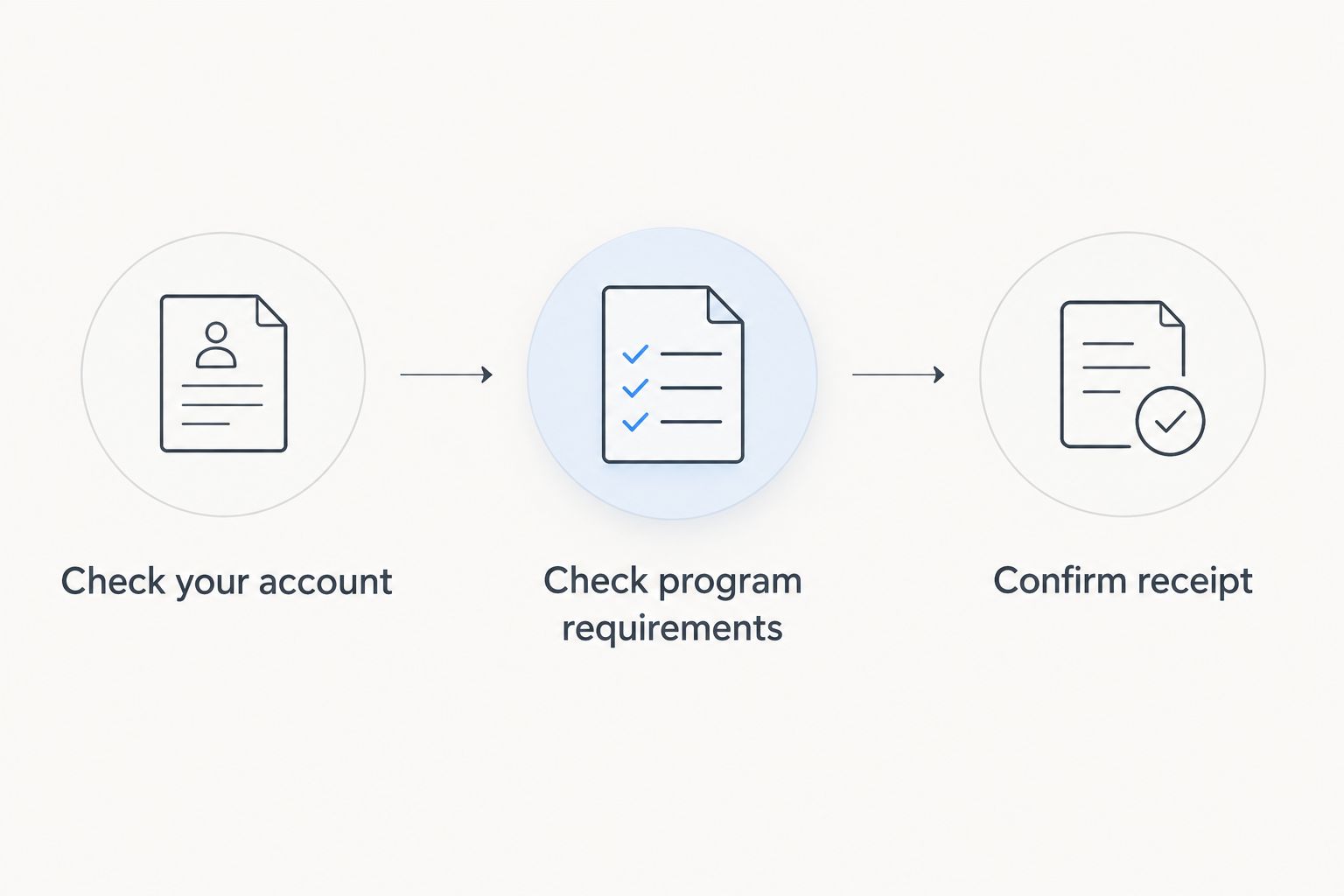
Use this sequence to check an existing score:
- Find the test date. Open your ETS account and identify the exact administration associated with the score you want to use.
- Check reportability. Confirm that the score remains available for official reporting and review its expiration information.
- Read program requirements. Check the graduate program’s requirements for the relevant application cycle, including whether GRE scores are required, optional, or not accepted.
- Confirm the relevant deadline. Determine whether the program requires official scores by its application deadline or another stated date.
- Send an eligible report. Follow the recipient instructions and check your application portal for receipt.
For 2026 applications, use the current admissions page for each program rather than a saved checklist from a previous cycle. University-wide instructions are useful, but the department’s requirements also need checking.
Sending a score does not restart its validity period. The reporting window stays tied to the original test date, regardless of when you order another report.
GRE General Test scores: 5 years
GRE General Test scores are reportable for 5 years after the test date. The same reporting window applies to the scores from that test administration; it does not start separately when you review each section result.
This is the relevant rule when you are checking an existing General Test score for graduate admissions. Use the test date displayed in your ETS account rather than reconstructing it from a preparation calendar or application email.
The advantage of using an eligible existing score is straightforward: you avoid taking the test again solely because time has passed. The limitation is equally clear: reportability does not establish that the score meets a program’s requirements or represents the result you want to submit.
Keep a usable score only after checking both eligibility and fit. Expiration is one decision; whether the result supports your application is another.
GRE Subject Test scores: 5 years
GRE Subject Test scores are also reportable for 5 years after the test date. Do not confuse a Subject Test requirement with a General Test requirement when reading a department’s admissions instructions.
A program asking for a particular test needs the corresponding score. Having a reportable General Test score does not, by itself, satisfy a request for a Subject Test, and the reverse is also true.
| Test | ETS reporting window | Best for checking | Limitation |
|---|---|---|---|
| GRE General Test | 5 years after the test date | A program’s General Test requirement | Does not substitute for a requested Subject Test |
| GRE Subject Test | 5 years after the test date | A program’s specified Subject Test requirement | Does not substitute for a requested General Test |
The reporting duration is the same, but the admissions purpose is different. Match the test name on your score report to the test name in the program’s instructions before ordering reports.
Why your usable GRE score window varies
The ETS reporting window does not vary by your application plans. What varies is whether that window covers the requirements and timing of your application. Check these factors separately:
- Test date: The original test date determines the reporting window. A later score-report order does not extend it.
- Program requirements: Each receiving program determines what it accepts. Read any stated score-age requirement alongside ETS’s reporting policy.
- Receipt deadline: Identify when the official report must arrive, not just when you must submit the application form.
- Application cycle: Check requirements for the cycle you are entering. Do not treat instructions from an earlier application as permanent permission.
- Test type: Confirm whether the program asks for the General Test, a Subject Test, or neither.
- Deferred enrollment: If your start date changes, ask whether the existing score still satisfies the program’s requirements.
For a 2026 application, put these items in one application checklist. A single note saying “GRE still valid” hides the separate decisions that determine whether the score is usable.
How do you check a GRE score before applying?
Start with your official account, then work outward to the receiving program. A saved PDF is useful for reference, but it is not a substitute for confirming current reportability and the school’s submission requirements.
Check your account
Locate the score associated with the test date you intend to use. Review its reporting status and expiration information, and make sure you are not looking at a different test attempt.
If your records and account information conflict, resolve that discrepancy with ETS before making an application plan around the score. Do not estimate an expiration date from memory when an official record is available.
Check program requirements
Read the admissions instructions for the specific degree and entry cycle. Record the required test, score-age language, recipient instructions, and official-score deadline in the same place.
If the wording does not answer your situation, ask the admissions office a narrow question: whether a score from your exact test date meets the requirement for your intended entry term. Include the date rather than describing the result only as an older score.
Confirm receipt
After arranging official reporting, check the application portal or the program’s stated confirmation process. An order confirmation documents your request; the receiving program’s records establish whether the report has reached your application.
Keep those two records separate. This makes it easier to identify whether an unresolved issue concerns reporting, receipt, or the program’s acceptance rules.
Can you use a GRE score that expires during the application process?
The 5-year reporting window does not establish a universal admissions cutoff for every program. Check the date by which your recipient requires the score and ask how it handles expiration during application review.
Do not assume that submitting the application before expiration resolves the issue. Application submission, official-score ordering, score receipt, and enrollment are different events, and the program’s instructions determine which matters for its requirement.
For 2026 planning, raise this question before the score approaches expiration. Give admissions the exact test date, the expected application submission date, and the intended entry term so the answer addresses your situation rather than a general scenario.
Keep the written response with your application records. It is more useful than relying on an informal interpretation of a broad admissions page.
Does sending GRE scores before expiration keep them valid?
The 5-year period does not restart when you send a GRE score. Ordering an additional report changes where the score is sent, not the date of the test that produced it.
A university’s possession of an earlier report also does not establish that it will accept that score for a later application. If you are reapplying or moving to another program within the same university, confirm the applicable requirements instead of assuming the existing record is enough.
The same distinction applies to a personal download. Keeping a copy preserves your record of the result; it does not extend ETS reportability or replace an official report where one is required.
Treat saved scores as documentation, not an extension. That rule prevents a common planning error: confusing access to a result with permission to use it.
Should you retake the GRE or use your existing score?
Use an existing score when it remains reportable, meets the receiving program’s requirements, and is the result you want considered. Retake the test when a new result is necessary for the application or when you deliberately choose to pursue a different result.
| Approach | Best for | Advantage | Limitation |
|---|---|---|---|
| Use an existing score | Applicants with a reportable, acceptable result | Avoids another test solely to replace an eligible score | Does not resolve a score-age restriction or an unmet application requirement |
| Retake the GRE | Applicants who need or choose a new result | Produces a new test result with its own reporting window | Requires preparation and scheduling; a higher score is not guaranteed |
For the GRE General Test, ETS permits another attempt once every 21 days, up to 5 times within a continuous rolling 12-month period. These are retake limits, not a recommended study schedule, and they do not extend an older score’s reporting window.
Before scheduling, work backward from the official-score deadline and account for preparation, testing, and score reporting. A calendar slot for the exam is only one part of the plan.
Reasonedlearning’s self-paced test prep format is best for learners who want to organize their own study schedule. Self-paced study still requires you to set deadlines and check whether the course you choose covers the test you need; the format alone does not establish GRE coverage or readiness.
If a retake is necessary, compare course content with your actual preparation needs before enrolling. Keep the admissions requirement, rather than the age of your existing score alone, at the center of that decision.
FAQ
How long is a GRE score valid in 2026?
A GRE score is reportable for 5 years after the test date under ETS’s policy. For a 2026 application, also check the receiving program’s score-age and receipt requirements.
Does GRE score validity start on test day or results day?
The 5-year reporting period starts from your test date, not the day you view your results. Check the exact test date and expiration information in your ETS account.
Do GRE Subject Test scores expire after the same period?
GRE Subject Test scores are reportable for 5 years after the test date, just like GRE General Test scores. Confirm which test your program requires before sending a report.
Can I extend a GRE score’s expiration date?
You cannot extend a GRE score’s reporting window by sending it again or downloading a copy. A new test produces a separate result with its own reporting period.
Will every graduate school accept a GRE score that is still valid?
No, ETS reportability does not guarantee acceptance by every graduate program. Check the program’s current test requirements, score-age rules, and official-score deadline.
Should I retake the GRE just because my score is old?
No, age alone does not require a retake while the score remains reportable and meets your program’s requirements. Check eligibility first, then decide whether the result is the one you want considered.
Does a saved GRE score report count as an official submission?
A saved score report does not replace official reporting where the program requires an official ETS report. Follow the receiving program’s submission instructions rather than assuming an uploaded copy is sufficient.
One last thing
Check the requirement before building the study plan. The useful question is not simply whether your GRE score is younger than 5 years; it is whether that exact score satisfies the exact program’s requirements for your intended application.
For your 2026 checklist, record the test date, expiration information, program rule, and receipt deadline together. That small administrative step separates a necessary retake from an unnecessary one—and gives any preparation schedule a clear purpose.


